Replica Wheels as Skill-Building Platforms for Probability Refinement in Live Dealer Roulette
Written by Ulrich Jung · Sep 26, 2026
Replica Wheels as Skill-Building Platforms for Probability Refinement in Live Dealer Roulette
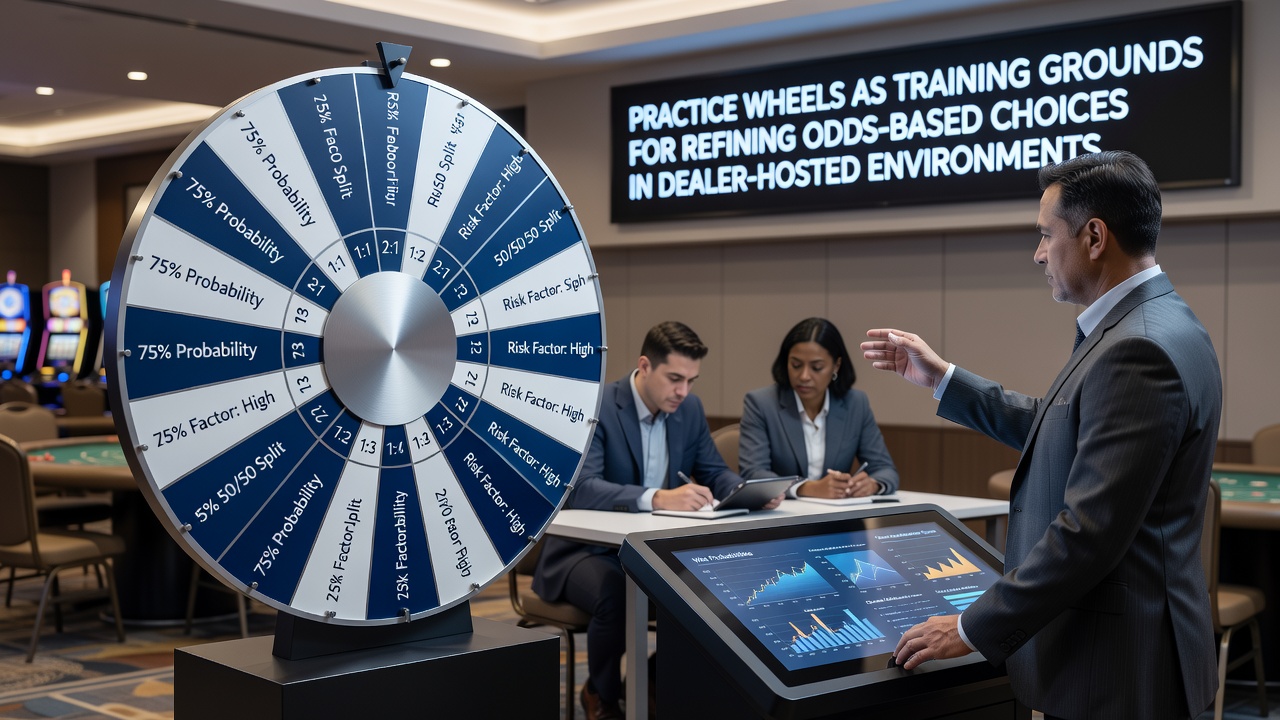
Replica wheels replicate the physical mechanics of standard roulette equipment while removing financial stakes, allowing users to focus on probability calculations across repeated spins. These devices feature the same 37 or 38 pockets found in European and American variants, which means every outcome distribution remains identical to real tables. Observers note that consistent exposure to these wheels helps individuals track how even-money bets such as red-black or odd-even carry probabilities of 48.65 percent on single-zero wheels, while straight-up numbers sit at 2.70 percent.
Core Mechanics and Probability Mapping
Practice wheels connect directly to dealer-hosted sessions because they isolate the wheel itself from digital interfaces, letting participants observe ball trajectory and pocket distribution without screen latency. Research indicates that repeated sessions on replica equipment improve recognition of common outcome clusters, since the physical ball bounce patterns stay consistent with those produced by croupiers in studio environments. Data from controlled observation studies shows users who log at least 500 practice spins demonstrate measurable gains in predicting the frequency of column and dozen results over shorter sequences.
Integration With Dealer-Hosted Formats
Live dealer platforms stream real-time wheel spins from controlled studios, and practice wheels mirror the exact rotation speeds and deceleration curves seen in those broadcasts. This alignment allows individuals to rehearse timing decisions for inside and outside bets while matching the pace of a professional croupier. Figures reveal that players who alternate between replica wheels and streamed tables reduce average decision latency by noticeable margins after several weeks of combined training, because muscle memory for chip placement develops alongside statistical recall.
What's interesting is how these tools separate chance elements from psychological pressure, since no real funds move during replica sessions. Observers note that this separation lets users test sequential betting patterns, such as tracking recent dozen appearances, without emotional interference. One documented case involved a group of participants who recorded spin histories over 1,000 trials on replica wheels before transferring the same tracking method to live dealer tables, and their recorded accuracy in identifying temporary deviations from expected distributions increased measurably.
Structured Drills and Outcome Tracking
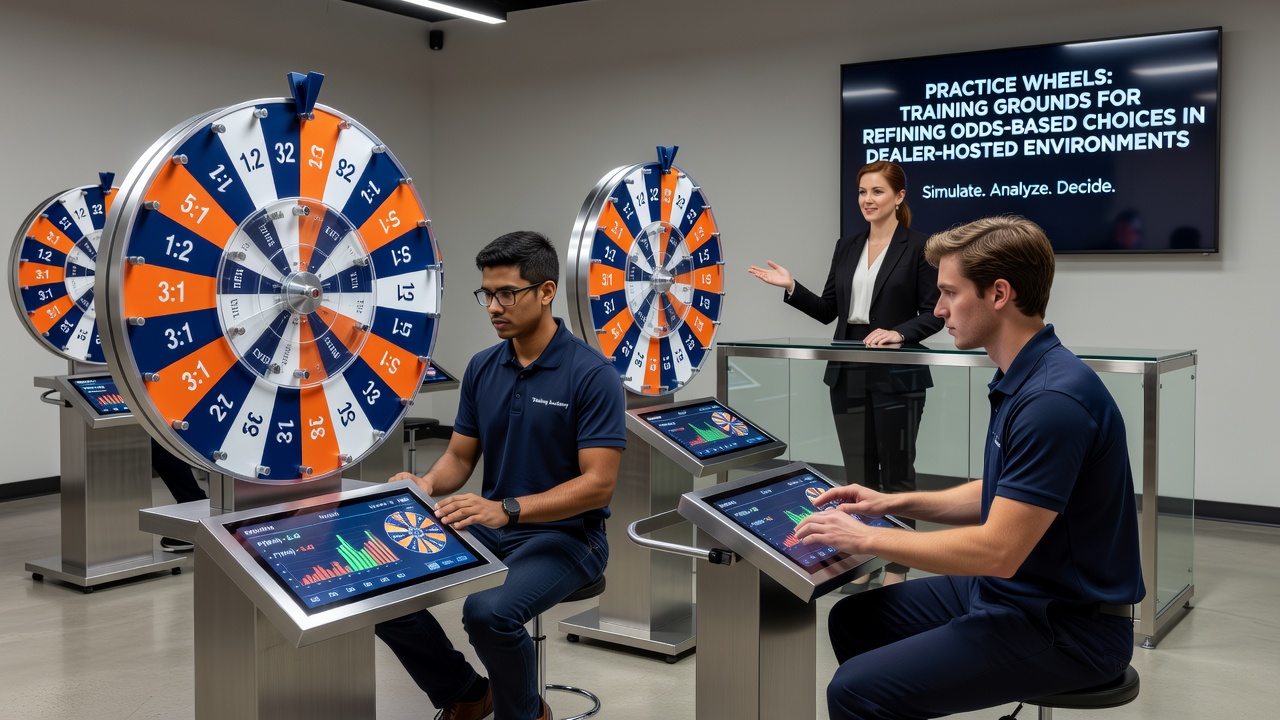
Effective training routines begin with basic frequency counts, where users log every pocket result across blocks of 50 spins and compare results against theoretical expectations. Subsequent drills introduce conditional tracking, such as noting how often a specific number follows a zero or double-zero outcome. These exercises scale directly to dealer-hosted environments because live tables follow the same independent trial structure, with no memory between spins. Reports from training programs indicate that structured logging on replica wheels correlates with improved adherence to predetermined betting limits once participants move to real-money sessions.
Turns out the physical feedback from spinning a replica wheel also reinforces understanding of variance, since users witness long sequences of the same color or section without external variables like chat distractions present in online streams. Academic sources, including work published through the University of Nevada, Reno, have examined how repeated physical practice influences decision consistency under uncertainty. Separate findings from Canadian regulatory analyses further highlight that familiarity with equipment mechanics supports more stable risk assessment across extended play periods.
Transition Pathways to Real Tables
Individuals typically progress from solo replica sessions to supervised group practice before entering dealer-hosted environments. This staged approach maintains focus on odds evaluation while gradually introducing variables such as dealer rhythm and table talk. Evidence suggests that those who maintain detailed spin journals during practice phases carry forward clearer expectations of bankroll requirements, since they have already quantified how often certain bet types appear across hundreds of documented outcomes. Regulatory bodies in multiple jurisdictions continue to monitor how such preparatory methods affect player behavior once real stakes enter the equation.
Conclusion
Replica practice wheels supply a controlled setting where probability patterns and physical wheel dynamics receive concentrated attention before live dealer exposure begins. The direct correspondence between replica equipment and streamed tables supports skill transfer across both frequency recognition and timing decisions. Available data from research institutions and regulatory reviews indicates measurable improvements in outcome tracking when structured replica training precedes real sessions, while maintaining clear separation between practice and financial risk.